Photographing an object that has survived for thousands of years is, above all, a responsibility. Technical skill matters, but it comes second to respecting the history, craftsmanship, and cultural significance of the artefact in front of the camera.
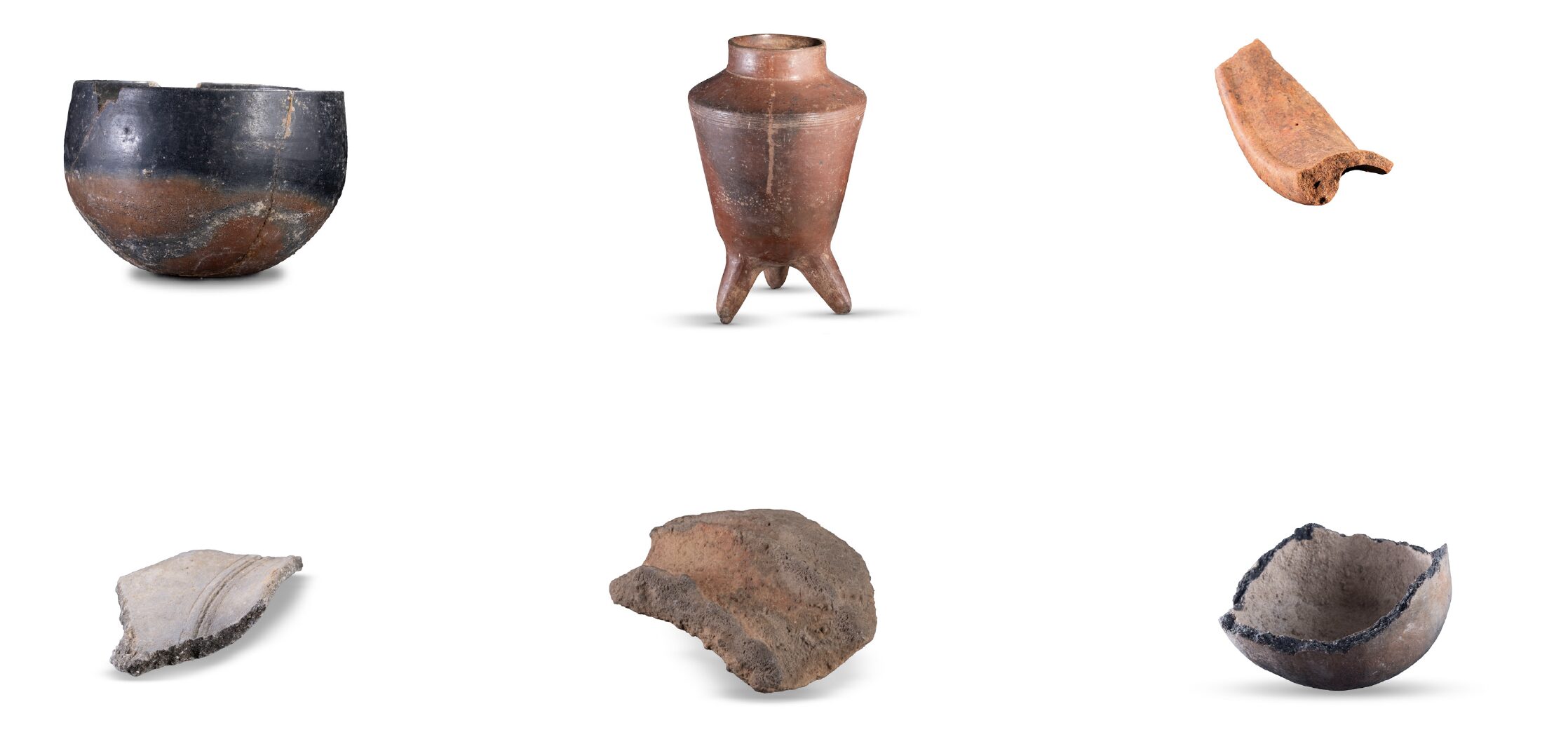
This three-legged jar from the Megalithic period, preserved at the Government Museum, Bengaluru, is one of the rare intact specimens of its kind in India. Artefacts like these require far more than good lighting or the right lens. They demand careful handling, patience, and an understanding of what they represent.
When we photographed this piece for our upcoming coffee table book, our objective was not to create a dramatic image or impose a visual style. Instead, we wanted the artefact to speak for itself. Every decision, from lighting to camera angle was guided by a simple principle – present the object as truthfully and clearly as possible.Clean lines, faithful textures, and an honest representation were more important than visual spectacle.
In this carousel, we’ve also shared a few practical insights into our approach to photographing museum artefacts with care and clarity. These are techniques we’ve found valuable when documenting objects of historical and cultural importance.
The final image in the carousel is the original, unedited capture. It serves as a reminder that, sometimes, the photographer’s role is not to transform an artefact, but to create the conditions for it to reveal its own presence.
Photography and photographic tips by Dinesh Maneer.
CHECK THE IMAGE HERE
View this post on Instagram