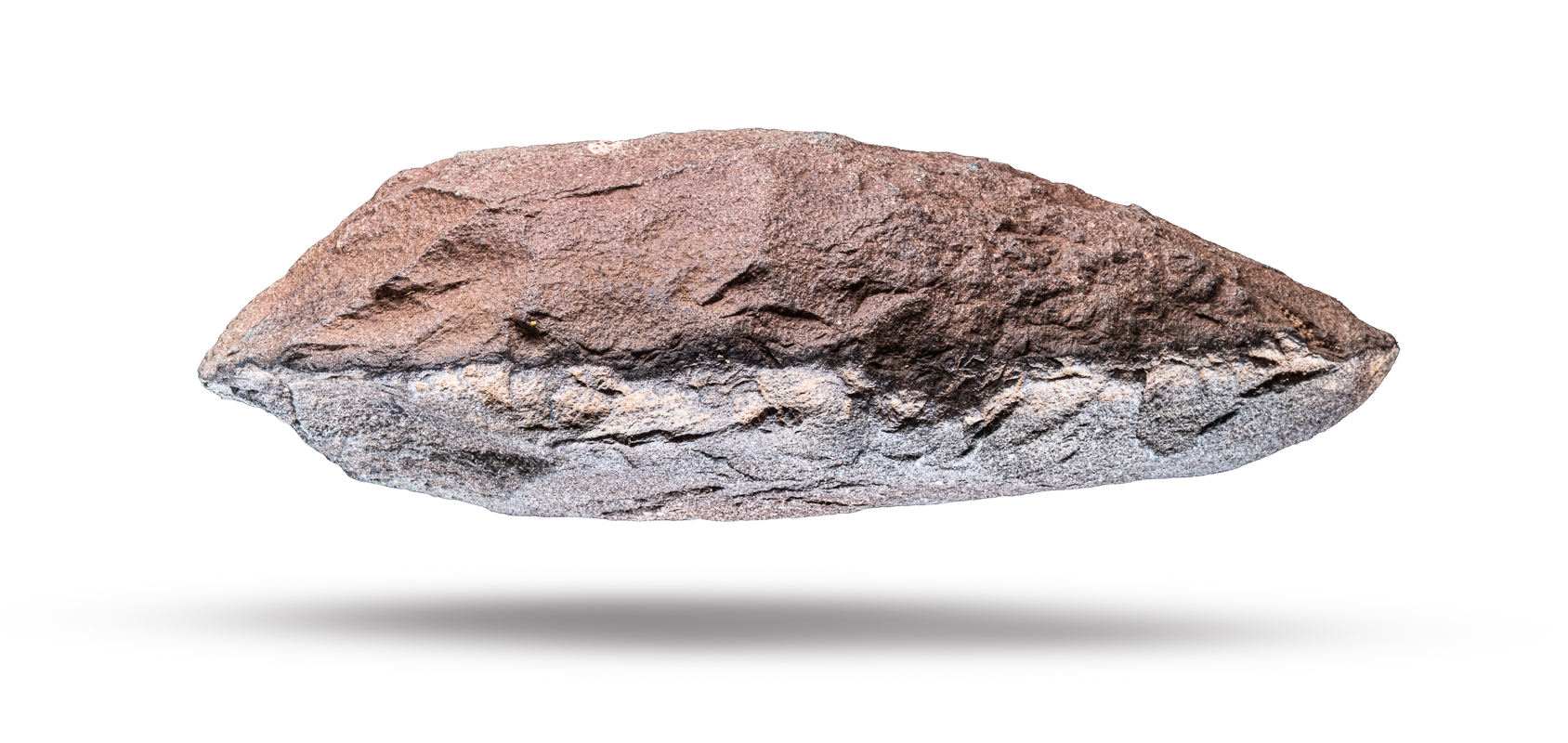
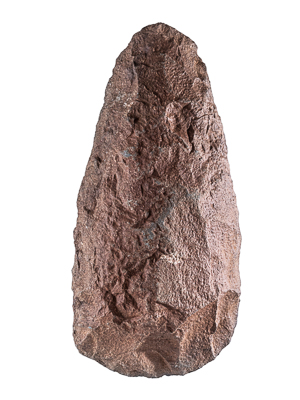
At first glance, most people see only a stone tool- an object from the distant past, simple and unremarkable.
But when viewed through the lens of archaeological documentation, the approach changes entirely.
As photographers working with prehistoric tools, the goal extends far beyond creating a visually pleasing image. The task is to document the artefact with precision: its form, surface texture, edge details, flake scars, and wear patterns must all be recorded clearly enough to serve as a reliable reference for research and preservation.
In museum settings and during field documentation, the process is highly controlled. Lighting is carefully planned to reveal subtle details without introducing visual distortion. Flash, when used, must enhance surface features rather than flatten them. Angles are deliberate, chosen to present the tool accurately and consistently. Handling is equally meticulous, ensuring both the safety of the artefact and the integrity of the documentation process.
Every frame is created with one purpose – accuracy.
Once documentation is complete, the tool is returned to the Department of Archaeology for safekeeping.
What remains with us is the record: a visual archive that preserves information for researchers, historians, and future generations.
Those who have worked with artefacts, excavation finds, or ancient tools understand this well: it is never “just” anything.
CHECK THE IMAGE HERE
View this post on Instagram